
 In Patagonia, nature sure is presenting itself from its most beautiful and stunning side. Where snow-covered mountain tops stick out from behind endless grasslands, where winding rivers cut through marvellous rock formations, and where the air is so fresh and cold from the snow, while the mild summer breeze warms up your sunlit face. And all you can think is “Gosh, this is so beautiful, I don’t ever want to leave”. And so you stay – enjoying the Patagonian hospitality, daily hikes to lagoons, waterfalls and on top of hills, grilled lamb for dinner, breathtaking views and an occasional whiskey on a glacier.
If any of those points arouse your interest, the south of Argentina might just be the next travel destination for you. Whether you’re an advanced mountain climber, a weekend-hobby-hiker, or simply an ambitious photo-taker with the will to persevere, the countless trails and tours in El Calafate and El Chaltén offer something for just about everyone.

 One of the largest waterfall systems in the world, and probably also one of the most impressive ones, visiting the Iguazú Falls is an incredible and unforgettable experience. Seeing those ridiculous amounts of water gushing down into the depth of the waterfalls is something truly overwhelming, and the beauty of the panoramic view over the more than 20 falls is unequaled. Although some might have their preference for either of the two sides, in my opinion, each one has its own perks, and both of them are definitely worth visiting.
 Besides its many bars, cafes and restaurants, that offer something for every taste or preference, the streets of Palermo are great for wandering around and getting lost in one of its hidden alleys or corners. Just walking around on a sunny day, you’ll find countless paintings covering the walls of the houses, one graffiti following the other. That’s why Palermo is not only known as the place to go out at night, but also as the bohemian street art district of Buenos Aires.
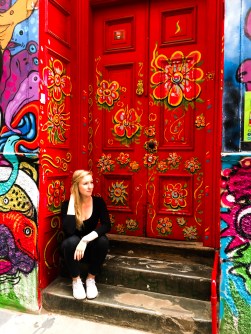 After flying for only 2 hours from Buenos Aires, we arrived in Santiago de Chile, the capital of our neighbouring country. Spending five days in the city of the craziest rush hours, smoggy skies, colourful street art, sweet Terremotos and incomprehensible Spanish, was like visiting another world. Although we did not even leave the continent, only 1500km from Buenos Aires, still hearing and speaking Spanish, Chile is so distinct from what we’re used to in Argentina that at some point we simply stopped counting the differences, and just enjoyed the alternation and little changes from our temporary home, Buenos Aires.
 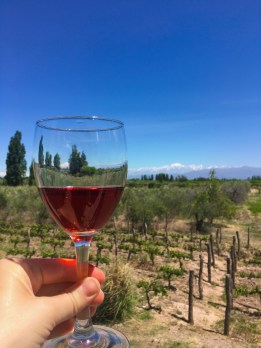 Living in Argentina for four months – the country with some of the world’s greatest wineries -, doing a wine tasting tour is most definitely a must. And what better place to experience the wine culture of this country and get a taste of some of the supposedly best wines you’ll ever taste, than Mendoza, home to the largest wine producing area in all of Latin-America. The city itself, which counts as one of the great wine capitals of the world, is a small, laid-back place, only a couple of hours from the Chilean border. After an interesting 11-hour, border-crossing bus ride from Santiago to Mendoza, all of us were ready to finally get on our bikes, cycle around the marvellous scenery with the magnificent Andes mountains on the horizon, and catch some rays, while tasting those wonderful wines that everybody was talking about.
 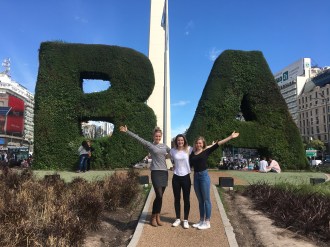 One day in Buenos Aires. Visiting this beautiful city at the Rio de la Plata, wondering what its crazy streets and countless neighbourhoods have in store for you. Asking yourself where its hidden jams lie, and what happened on the 9th of July. Eager to find out what this place and its people, the “Porteños”, have to offer, and what the must-sees of the city might be. What do you actually do in this 13 million people metropolis, home of Evita, Maradona and the Pope? Keep reading, and find out about my version of the most “Argentinian” 24h you could possibly spend in the capital.
  Our trip to the north didn’t just end with us road-tripping from Salta to Cafayate and back. Since there was so much more nature, so many more roads and places for us to discover further north, we took the 2h-bus from Salta to Jujuy and continued our adventure to Tilcara. This marvellous little village lies about 1,5h from San Salvador de Jujuy, where we once again rented a car to reach our next destinations. However, finding a car this time didn’t turn out as easy as it had the first time.
 lenacatherine